Media Framing: News Does Not Only Tell Us What Happened — It Also Shapes How We Think About It
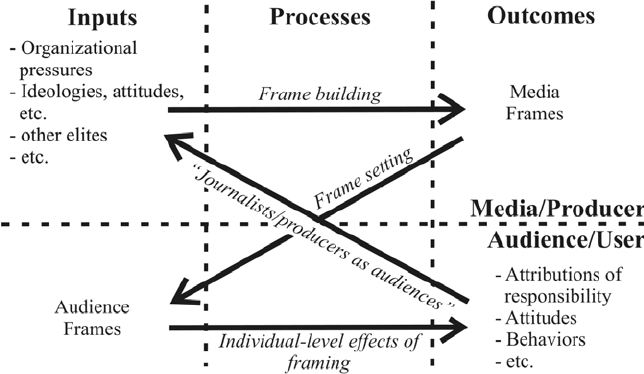
Most people assume that the media’s job is simply to report events. In reality, the media does far more than that. It does not only tell us what happened; it also influences how we should understand what happened, which side appears legitimate, which aspect seems most important, and which emotions we should attach to a story. In communication studies, this process is known as media framing.
Put simply, framing is the act of presenting reality through a particular interpretive lens. The same event can be framed in different ways. One report may focus on conflict, another on consequences, another on morality, and another on human suffering. Your framing-theory notes also highlight these common patterns: conflict, consequence, morality, and human interest. That is why framing is not just about what is shown. It is also about what is emphasized, what is minimized, and what kind of meaning is created around the facts.
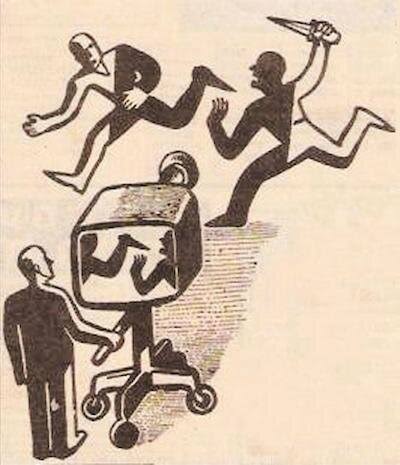
This becomes easier to understand if we think about visual culture. The famous “Distracted Boyfriend” meme became so effective not because it contains complicated information, but because the relationship among its signs creates an instantly readable meaning: distraction, temptation, betrayal, and shifting attention. In the same way, media framing works by arranging headlines, words, images, quotations, order, and emotional cues into a pattern that guides public interpretation. Meaning is produced not only by facts themselves, but by the structure in which those facts are placed.
Why does this matter so much for ordinary citizens? Because framing is rarely neutral. If one outlet describes an event as “violence,” another as “law-and-order action,” and a third as “public unrest,” the audience will not react in the same way. Framing can influence sympathy, fear, blame, legitimacy, and urgency. In that sense, it works alongside agenda-setting. Agenda-setting tells people what to pay attention to; framing influences how to think about what they are paying attention to.
In Bangladesh, this issue is especially serious because framing often does not arise from language alone. It is shaped by ownership structures, political ties, licensing systems, advertising pressure, and unofficial house policies inside newsrooms. A 2021 study reported by New Age found that political affiliation, family ties, and business interests strongly shape media ownership patterns in Bangladesh, and that ownership often shifts toward actors connected to the ruling establishment. 6 A CPJ report also noted that politicians, criminals, and businessmen exert undue influence on the Bangladeshi media environment and that advertising pressure can shape editorial behavior. 7
This means that many media outlets do not operate in a vacuum. They may be part of larger business groups, politically connected ownership networks, or licensing structures that reward loyalty and punish independence. In such an environment, framing can become more than a journalistic choice. It can become a survival strategy, a business shield, or a political service.
This does not always happen through direct censorship. In many cases, it happens through what may be called an unofficial house policy. This is often not a written rulebook. It is an unwritten newsroom reality. Journalists gradually learn which politicians can be criticized aggressively and which cannot, which corporate scandals deserve front-page outrage and which must be softened, which victims can be humanized and which are to be reduced to sterile official language, and which images will be selected to trigger sympathy, anger, or distance.
This is precisely why framing is so powerful. It does not always require outright falsehood. A report may contain mostly accurate facts and still create a misleading public impression through emphasis, omission, sequencing, tone, and visual hierarchy. A story may focus heavily on the emotional consequences of an event while hiding the structural cause behind it. Another may highlight official order and stability while ignoring the human suffering produced by that order. Both may contain facts. But the interpretive result for the public can be radically different.
There are several real-life patterns through which this becomes visible in Bangladesh.
The first is licensing and ownership politics. Public discussion around media reform in Bangladesh has repeatedly raised the issue of politically influenced media ownership and licensing. Reporting in The Daily Star on the media-reform process has highlighted calls for an independent media commission and concerns about who gets to own or manage media outlets in practice. 8 When media licenses and ownership are shaped by political relationships, editorial independence is weakened even before the first story is written.
The second pattern is the use of media as protection for wider business interests. When a media outlet is tied to a larger corporate group, the outlet may face pressure not to report aggressively on matters that affect that group’s banking exposure, regulatory privileges, land interests, political relationships, or corporate reputation. In such cases, the public may still receive “news,” but the framing can be designed to reduce blame, dilute accountability, or shift attention elsewhere. CPJ’s reporting on Bangladesh’s media climate pointed to the role of businessmen and advertisers in shaping the limits of press freedom. 9
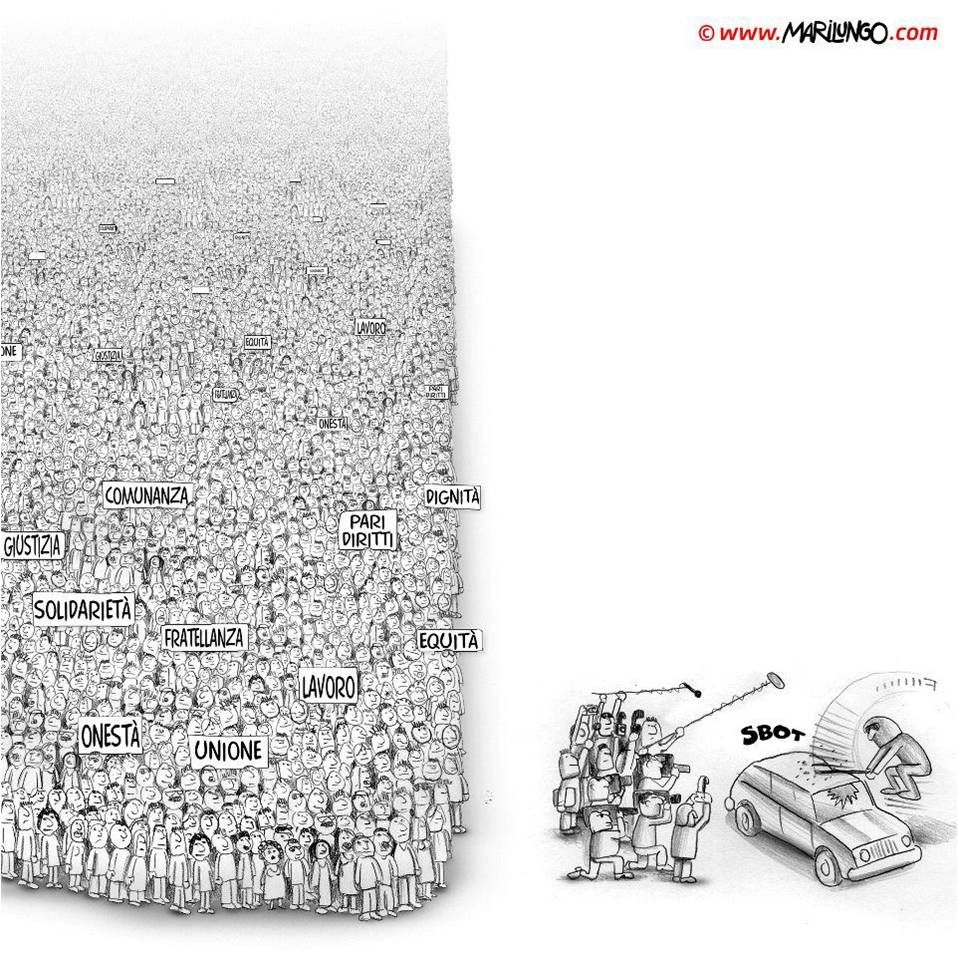
The third pattern is selective emotional framing. Your uploaded framing notes explain how media can frame stories through conflict, consequence, morality, and human interest. 10 This happens constantly in news. One tragedy may be presented as a deeply human story with tears, grief, and family voices, while another is reduced to an official statement and a few dry lines. One protest may be framed as a democratic demand; another as dangerous disorder. One death may be individualized and mourned, while another is absorbed into statistics. The lens changes the moral meaning.
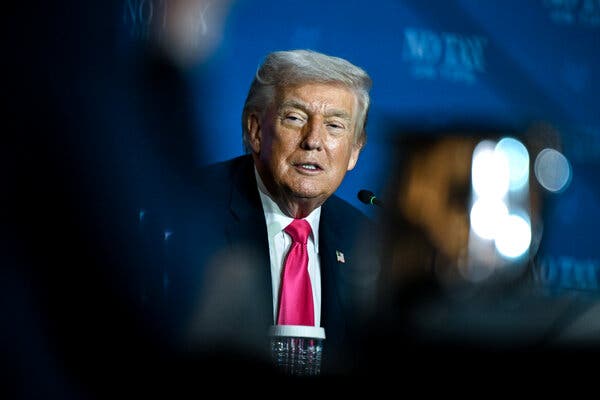
The fourth pattern is selective source and image choice. Framing is not only verbal. It is visual. Which image appears first? Who is quoted? Who is not quoted? Which part of the event is cropped out? Is the camera focused on a burning vehicle, a crying child, an armed officer, or a calm press briefing? Each choice moves public interpretation in a certain direction. Your framing notes also emphasize that media framing involves selecting facts, selecting images, and deciding what the audience should focus on. 11
For the public, the most important lesson is this: media literacy today is not only about fact-checking. It is also about frame-checking.
People need to ask:
Why is this headline written in this way?
Why is this word being used instead of another?
Why was this image selected?
Why is one voice amplified and another absent?
Why am I being encouraged to feel fear, sympathy, outrage, or reassurance?
What has been left out of this story?
As long as audiences merely consume news without examining how it is constructed, framing remains invisible. And invisible framing is often the most powerful kind.
This does not mean every journalist is dishonest or every outlet is a propaganda machine. That would be simplistic and unfair. It means something more serious: news production is a power-laden process. It is shaped by institutions, incentives, owners, pressures, fears, and interests. That is why ethical journalism requires more than individual good intentions. It also requires structural independence, transparent ownership, fair licensing, advertiser pressure safeguards, and professional resistance to owner interference.
That is also why recent public debate in Bangladesh over media reform matters. Reporting in The Daily Star has highlighted both proposals for stronger ethical regulation and concerns that key reform recommendations, including an independent media commission, have not been fully implemented. 12 At the same time, Mahfuz Anam has argued that independent journalism is not a privilege but a constitutional necessity for democracy, accountability, and social justice. 13 That principle goes to the heart of the framing problem: if journalism is not institutionally protected, framing will continue to be shaped by power more than by public interest.
In the end, media framing is not just an academic concept. It is a daily civic reality. It influences public opinion, political legitimacy, corporate image, social fear, moral sympathy, and national memory. It can be used to illuminate truth, but it can also be used to bury it beneath selective emphasis and polished presentation.
That is why citizens in a democracy must do more than “follow the news.” They must interrogate the news. They must ask not only what happened, but how the event is being framed, for whom, and in whose interest.
An informed citizen is the strongest defense against manipulative framing. And a society that can identify frames is much harder to mislead.